Copy trading is a simple way to follow another participant’s trades in your own account (usually CFDs and other margin products where the platform lists them). It does not remove market risk or leverage risk.
Copy trading suits different people. Beginners may use it to learn how orders and risk settings work; busy people may use it when they cannot watch markets all day. In every case you should read the disclosures, set sensible allocation limits, and review performance regularly.
Understanding Copy Trading
Copy trading is a common way to mirror experienced traders in your own account (usually CFDs and other derivatives where offered). Many brokers provide copy trading with different risk controls and disclosures.
In copy trading, you don't need to conduct extensive research. Instead, you use the platform's filters to shortlist traders whose published statistics and drawdown history fit your risk tolerance. Most platforms offer simple tools to compare participants before you follow anyone.
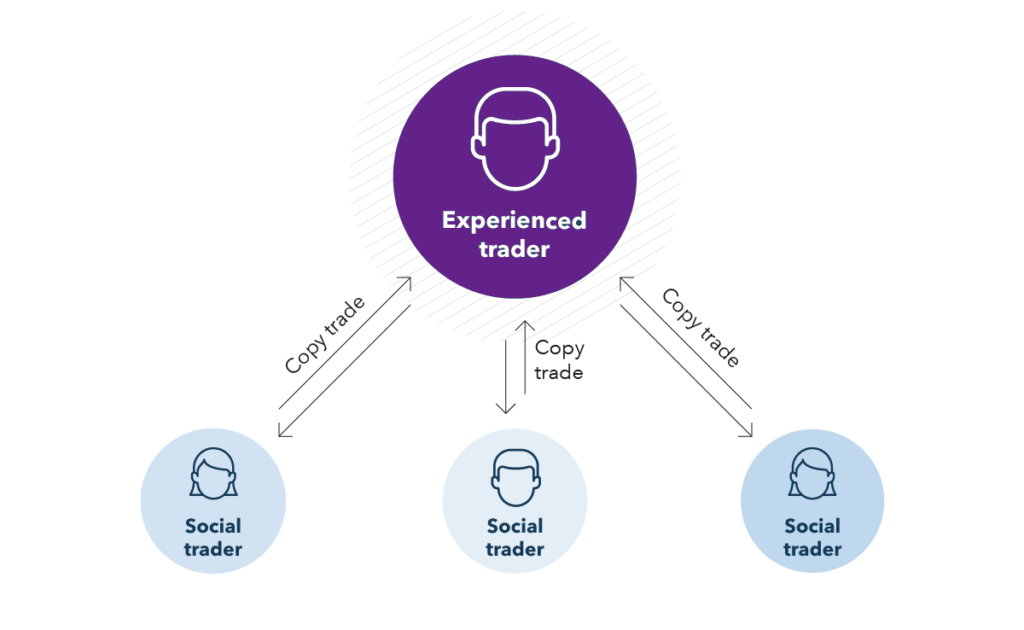
When a trader you follow opens a trade, the copy trading platform automatically replicates the same trade in your account. You can also control how much of your capital you allocate to a trader and set your risk per trade.
Copy trading comes in various forms, including mirror trading and social trading. Let's explore the similarities and differences between them.
Social Trading vs Copy Trading
Another popular type of copy trading is social trading. In social trading, you're not directly copying other traders' trades. Instead, you engage with like-minded peers to exchange ideas and market research, which can enhance your trading performance.
Social trading platforms offer a valuable opportunity to learn from experienced traders. You can gain insights into their trading strategies, market analysis, and trade management.
However, it's important to note that social trading is not automated. It's a platform for knowledge exchange, and you have to manually execute your trades.
- Time-consuming: Social trading requires more time and involvement compared to both copy trading and mirror trading.
- Educational: Social trading offers valuable insights into why professional traders make certain trades and the reasoning behind them.
Mirror Trading vs Copy Trading
Mirror trading is a subset of copy trading. Unlike copy trading, mirror trading involves replicating specific trading strategies, often in the form of automated trading algorithms.
Automated strategies in mirror trading may involve a group of professional traders, sometimes hundreds, who contribute to the creation of the algorithm. Instead of copying individual trades, you replicate the algorithmic strategy behind those trades.
- Automation: Similar to copy trading, mirror trading is fully automated.
- Diversification: Algorithmic strategies often provide diversification within your portfolio because they process multiple market inputs and trade across various markets.
Copy Trading in Global Markets
Copy trading is a flexible idea that applies to many markets where CFDs are offered—for example forex, indices, metals, and single-name equities—subject to your contract and jurisdiction.
Copy trading is a universal concept that works in all financial markets.
For those interested in Forex or commodity trading, copy trading is a logical choice. These markets require deep technical knowledge, and copying the trades of experienced traders makes sense, especially if you lack the necessary expertise.
Pros and Cons of Copy Trading
Copy trading offers automated replication of professional traders' trades, making it a seemingly effortless way to enjoy their trading results. However, it's essential to consider the pros and cons of copy trading.
Pros:
- Automated Trading: The primary advantage of copy trading is the automation of your trading by following other participants. You still need to pick someone whose published risk metrics you accept, and you should review performance periodically.
- Finding Traders: Copy trading platforms provide tools to compare traders using metrics such as history length, drawdown, trade frequency, position sizing, and reward-to-risk—none of which guarantee future results.
- No Emotions: Emotions can significantly impact trading results, especially for beginners. Copy trading eliminates emotional trading, as you don't need to analyse the market or make trading decisions on your own.
Cons:
- Limited Risk Control: Copy trading ties your trading performance to the results of the traders you follow. If they make a poor trade, it affects your account. Some platforms allow you to set allocation limits and pre-determine losses, but there is still a risk of poor trades.
Is Copy Trading Profitable?
In copy trading, your results depend on the trading performance of the traders you follow. Strong historical statistics do not remove market or leverage risk, and you can still lose some or all of your invested capital.
Market Risk
One of the most significant risks in copy trading is market risk. Market forces determine the outcome of every trade, and changes in prices, such as those in Forex, stocks, interest rates, and other assets, can impact your copied trades negatively.
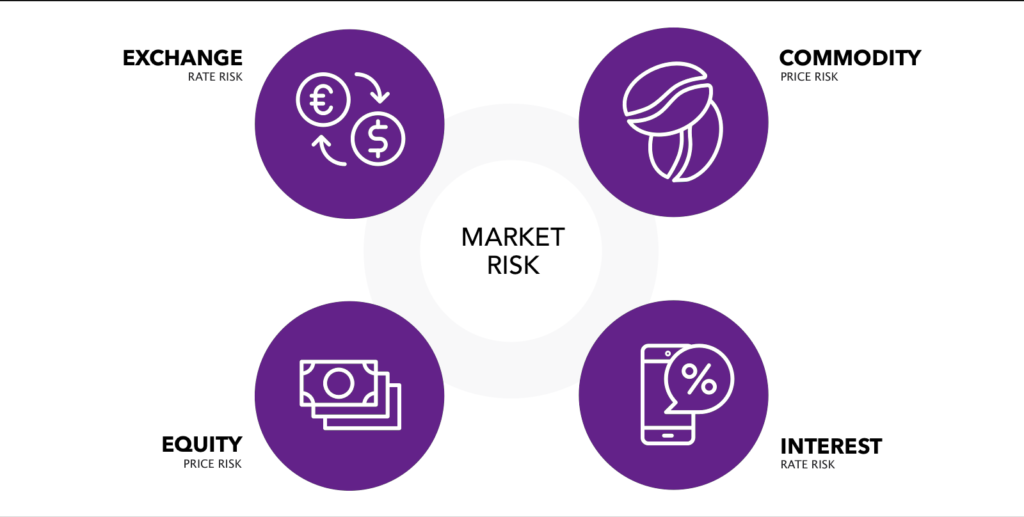
Market risk is not specific to copy trading; it affects all live trades. However, professional traders aim to mitigate market risks by avoiding trades during volatile periods, such as major news releases.
Liquidity Risk
Another risk, often overlooked, is liquidity risk. In copy trading, you may not have control over when your followed trader opens or closes a trade, potentially leading to liquidity issues.
Liquidity risk occurs when you can't execute a trade at a specific price within a reasonable time frame. It's more common with illiquid instruments, like exotic Forex pairs or less-traded commodities, or during market open and close times when the number of participants is limited.
Liquidity risk is the risk that you (or your followed traders) are unable to close a trade at a certain price, within a reasonable amount of time.
Systematic Risk
Systematic market risk, inherent to the entire market, is a significant concern. This risk, such as unexpected news, cannot be mitigated through diversification and can lead to substantial losses.
"Black swan" events, like the Swiss National Bank's 2015 decision to abandon the EUR/CHF peg, are impossible to predict and can cause severe damage to a trading account.
How to Get Started with Copy Trading
Anyone can begin copy trading by opening an account with a copy trading provider, selecting a trader, and clicking "follow." Here are some tips for a smooth start:
- Open a Trading Account: Start by creating a live account with a copy trading provider. The registration process is straightforward: complete the form, make your initial deposit, and once your account is approved, you can begin following other participants if the product is available to you.
- Choose a Trader: Selecting a trader to follow is a crucial step. Many copy trading platforms allow you to filter traders using risk and history metrics so you can compare candidates objectively.
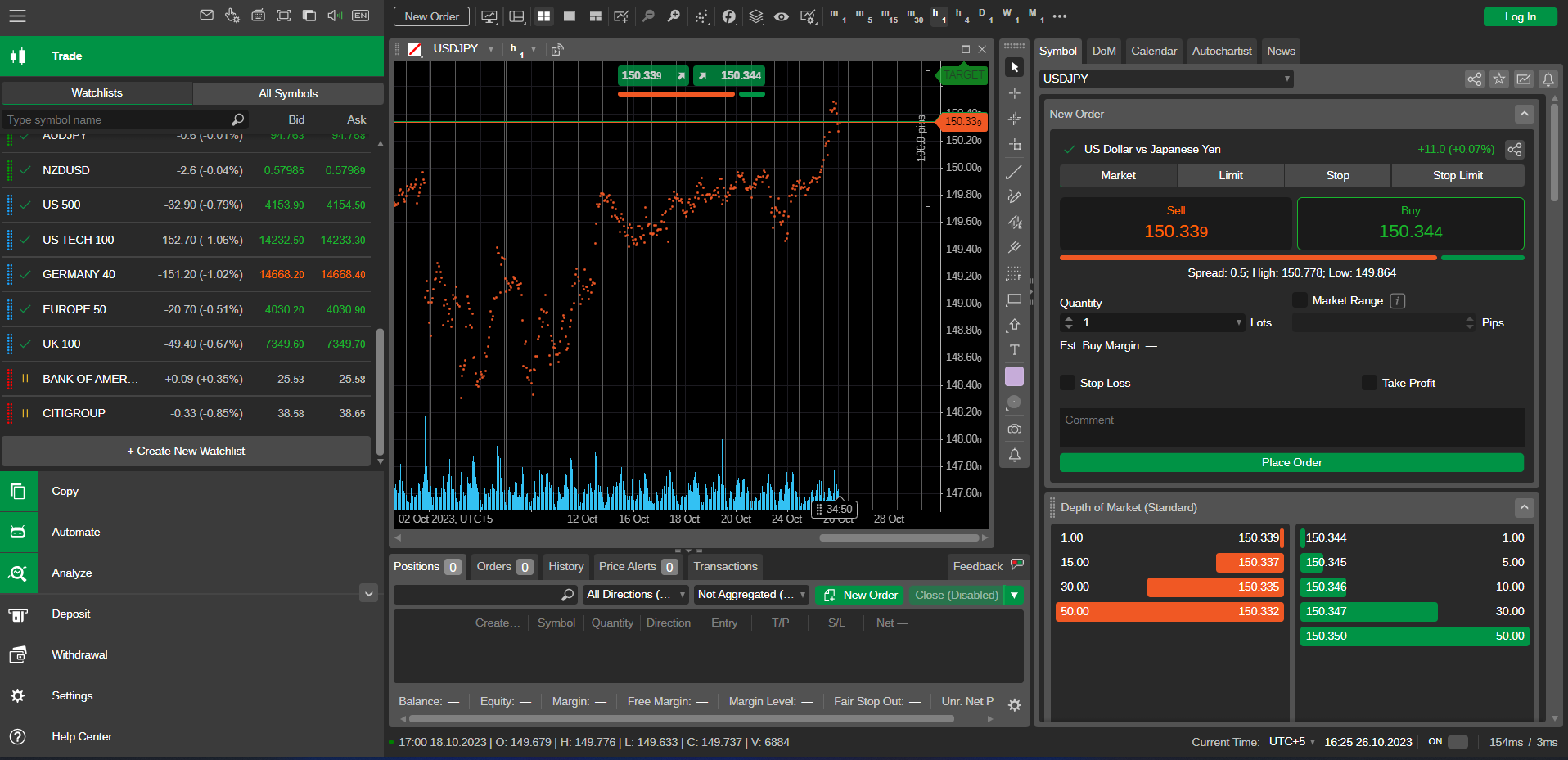
When choosing a trader, don't focus solely on their performance. Consider other factors like their risk levels, traded markets, average trade outcomes, winning percentage, and more.
- Follow the Trader: Once you've found an appealing trader, simply click the "follow" button to replicate their trades.
Some copy trading platforms might allow you to determine how much of your funds to allocate to a specific trader, enabling better risk management.
What Are Trading Signals?
Trading signals are indicators that specify which market to trade, the entry price, and where to set take-profit and stop-loss levels. These signals offer more flexibility than automated copy trading but require you to enter the trades manually.
A typical trading signal might look like this:
LONG EUR/USD CFD @ 1.0850, TP: 1.0950, SL: 1.0800.
This signal suggests opening a long CFD on EUR/USD at 1.0850, with a take-profit near 1.0950 and a stop-loss near 1.0800. It is an illustration only; you trade a derivative, not physical euros or dollars. Trading signals allow you to adjust levels or skip the trade.
Who Are Trading Signals Providers?
Trading signal providers are traders who offer trading signals to followers. These providers can be individual traders or groups who distribute their signals to followers, who must manually execute the trades in their own accounts.
Followed traders on copy trading platforms are essentially signal providers, with the main difference being that their signals are automatically copied to their followers' accounts. When selecting a trading signal provider, examine their track record and trading style to ensure they align with your goals.
Copy Trading Strategy
With copy trading, you don't need a personal trading strategy. However, having a copy trading strategy can help you choose the best traders to follow. Here are the key points of an effective copy trading strategy:
- Tradeable Markets: Every trade made by the trader you follow will be copied into your account. It's important to know what markets the trader primarily trades and whether they align with your goals and trading style.
For instance, if a trader mainly follows technology-related markets, they may be more exposed to sector-specific news. Traders who concentrate on a narrow set of instruments may show greater performance volatility when prices swing. Choose a participant whose style and instruments fit your own risk tolerance.
- Risks: Determine how much risk you're willing to take with copy trading. Many platforms let you set a maximum loss or allocate a specific percentage of your account to a single trader. In semi-automated or social trading, you have even more risk management control.
- Market Analysis: While copy trading removes the need for independent market analysis, it's wise to monitor your copied trades and make adjustments if market conditions change. This is especially important if your followed trader lacks experience.
- Leverage: Consider whether you want to trade with leverage. Leverage can amplify both profits and losses. Never invest more than you can afford to lose.
Why Choose ActiveXBT for Copy Trading
ActiveXBT offers CFD trading and copy-trading functionality for eligible clients. Copy trading does not guarantee results; following other participants involves the same leveraged risks as manual trading. Always read the risk disclosure and terms before using copy features.
Copy trading with ActiveXBT can be quick to set up, but it is not risk-free and past results are not a guide to the future. After you open a live account, use filters to review strategy statistics (including history, drawdowns, and follower counts) before you decide whether to follow anyone. You remain responsible for the leveraged risk on your account.
Where available for your profile, copy trading may cover CFDs on forex, indices, and commodities. Mobile access depends on the client application offered after onboarding.
Is copy trading a good idea?
Copy trading is ideal for traders who don’t have the time to trade on their own, who are still building experience, or who simply want to learn while observing how other participants manage risk in live markets.
Is copy trading illegal?
In most countries, copy trading is fully legal.
Is copy trading good for beginners?
Copy trading is often used by beginners. It allows people without a long track record of manual trading to follow experienced participants and learn how orders, sizing, and risk controls work in practice—while accepting that losses are possible.
How much can you make from copy trading?
Any figures you see depend on the performance of the traders you follow, fees, slippage, and your own settings. Outcomes vary widely; there is no typical return, and past results are not indicative of future performance.
Is copy trading really profitable?
Copy trading can produce gains or losses like any leveraged CFD activity. Even experienced traders draw down; following them does not transfer skill or remove market risk. Review disclosures, limits, and stop settings before you allocate capital.
Does copy trading really work?
If you’re following a trader who has a long-term track record of good trades, you’ll probably do well.